

1994
Turned professional

Vw
Professional Tennis Player
Claim Your Story
This profile was created to celebrate the athletes who shaped the game. Claim your profile to personalize your story, verify details, and connect directly with your community.
Seven-time major champion and driving force behind equal prize money.
Essentials
venus's story
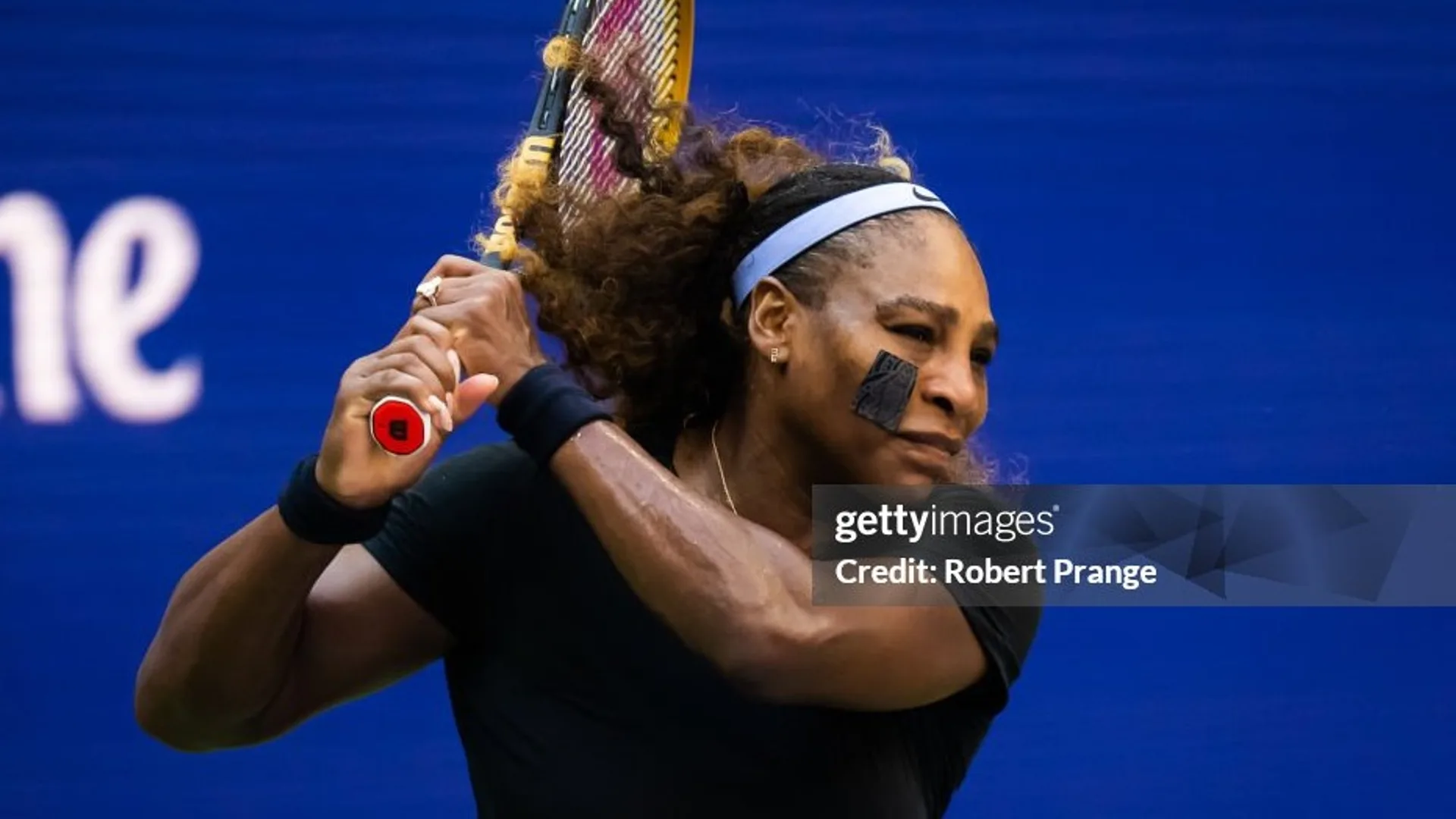
In 2006, Venus Williams wrote an op-ed in The Times of London arguing that Wimbledon should pay its women's and men's champions equally. The tournament had never done so in its history. The following year, Wimbledon equalized prize money. That achievement, secured through public advocacy and sustained pressure, changed the financial landscape of women's tennis at its most prestigious event and established a standard that reverberated through the sport. It is the moment that extended furthest beyond the baseline, and it arrived in the middle of a playing career that already included five Wimbledon titles and two US Open championships. She was not finished playing when she changed the terms of what playing was worth. She did both at the same time.
Venus came first. Before Serena was the dominant force in women's tennis, Venus was ranked number one in the world, winning majors, and establishing the Williams family as the most significant presence the sport had seen in a generation. She won her first Grand Slam title in 2000, won Olympic singles gold in Sydney that same year, and for a period was the best player on the planet. What is less often noted is that she pursued all of this alongside a formal education conducted on tour: she earned an associate's degree in fashion design from the Art Institute of Fort Lauderdale and a second associate's degree in business from Indiana University East, completing both while competing at Grand Slam level. Two degrees, seven majors, and an equal prize money campaign, built simultaneously across the same years. The sport's attention eventually moved toward the player accumulating the most titles, and the full weight of what Venus built in the early years has not always received the accounting it deserves. She paved the road. That is not a lesser contribution because someone else traveled it further.
In 2011 she was diagnosed with Sjogren's syndrome, an autoimmune disease that affects energy and joint function, and she continued competing at Grand Slam level for years after the diagnosis, reaching the Wimbledon final as recently as 2017. Four Olympic gold medals, seven Grand Slam singles titles, equal prize money at the sport's oldest major, two degrees earned while competing, a career conducted across three decades with an autoimmune condition in its second half. Venus Williams did not wait for the sport to recognize what she was worth. She wrote the argument herself and won.
Real questions from fans. Real answers from her.
She hasn't joined yet, but when she does, your question will be waiting.
No answered questions yet. Venus hasn't answered anything yet.
Check back soon.
INDIVIDUAL AWARDS
LEGACY
Shop athlete-owned brands, exclusive collections, limited-edition drops, books, collectibles, and products inspired by the stories that shaped women's sports.
Every purchase helps support athletes and the future they're building.
Built for fans. Powered by athletes.
Venus Williams's Collection
160 Items